The Pacific Salmon River Oil Experiment is enhancing our knowledge of oil spills in salmon-bearing rivers.
Latest news
July 15, 2024
Our application for an NSERC Alliance Advantage Grant to expand the ROE Project was successful.
Read our news archive

March 13, 2023
Natural Resources Canada funded our Multi-Partner Research Initiative proposal.
About the project
Given the increased risk of oil spills from the Trans-Mountain Pipeline Expansion Project, the ROE Project seeks to advance our understanding of the environmental fate and ecological consequences of spills of diluted bitumen into Pacific salmon-bearing rivers in British Columbia.
Read more
Bitumen from the oil sands, a heavy type of crude oil, is diluted with a lighter condensate and transported by pipeline thousands of kilometers across North America. Concerns over accidental pipeline breaks into British Columbia’s salmon-spawning rivers call for improved oil spill response strategies, yet understanding of the environmental fate and ecological effects of spilled dilbit in rivers is limited and has been identified as a high-priority research need. Given the declining state of salmon fisheries in many rivers in British Columbia, this is of particular urgency. Our study responds to the need to better prepare for an oil spill from the Trans-Mountain Pipeline Expansion Project to salmon-bearing rivers of BC. The twinning of the Trans-Mountain Pipeline Expansion Project will expand the capacity of this pipeline from 48,000 m3/d to 141,000 m3/d. Although pipelines are the safest mode of transporting Canada’s oil to markets, they are not without risk and are the primary concern for Canadians due to the hazards posed by diluted bitumen, the main product transported by pipeline. These pipelines are a potential risk to natural habitats, food chains, and agricultural lands, as evidenced by pipeline breaches and malfunctions in recent years, e.g. the Kalamazoo River in 2012 and the North Saskatchewan River in 2016.
Research themes
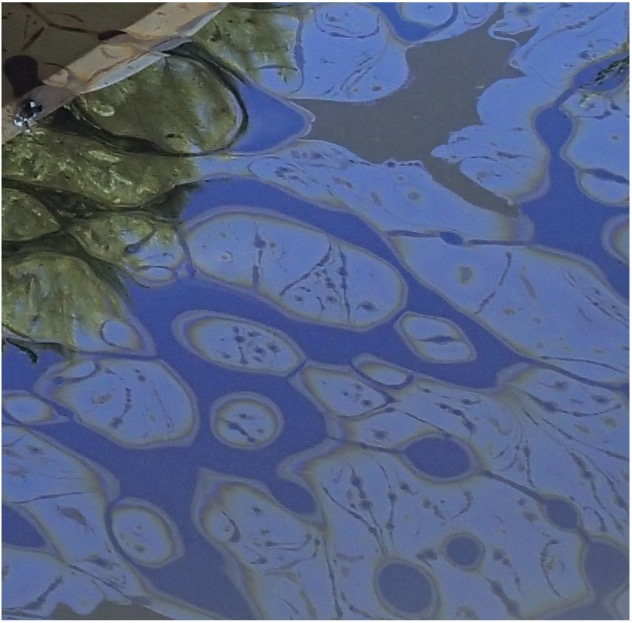
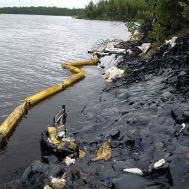
The ROE Project has four themes focused on the fate, detection, effects, and remediation of pipeline spills of diluted bitumen in rivers.
Fate

Detection

Effects
Remediation
Project team
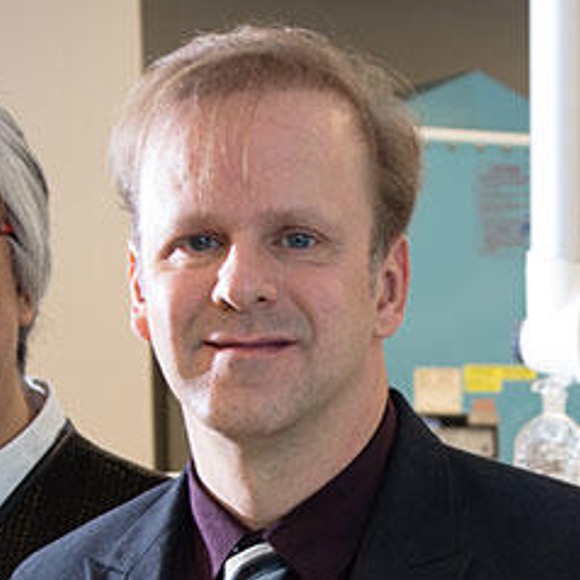
The ROE Project team is an interdisciplinary collaboration of analytical chemists, freshwater biogeochemists, environmental engineers, oil spill modellers, robotics experts, and aquatic ecotoxicologists.
Core leadership team






Co-investigators and collaborators







Graduate students





Contacts
For more information, please contact the project co-leads:
Dr. Jules Blais, University of Ottawa and Dr. Diane Orihel, Queen’s University
Many thanks to our funders and partners





 Queen's Experimental Ecotoxicology for Environmental Policy